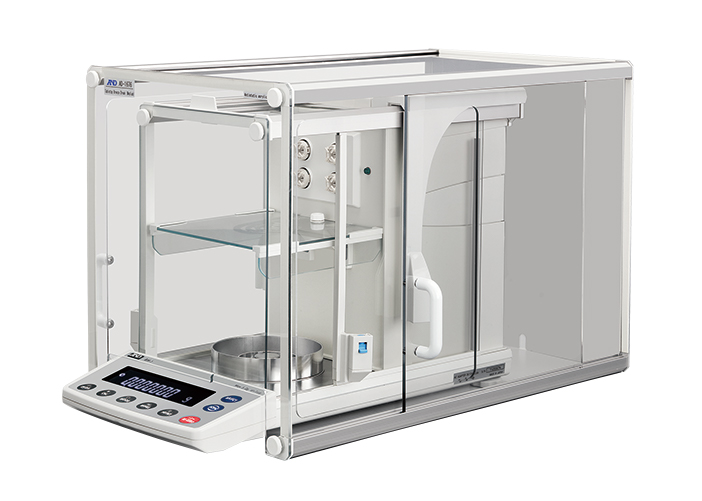
Microbalances with minimum displays of 1.0 to 0.1 μg are used in the inductively coupled plasma (ICP) method for elemental analysis. One microgram (μg) is equivalent to a one-millionth of a gram. Common reasons that a microbalance is used are that elemental analysis is quantitative and small samples of a few milligrams are used.

A few years before the start of sales of the microbalances (with minimum display 1 dig = 1 μg) developed in my division, I had the opportunity to visit facilities that carried out elemental analysis. Each time I visited these facilities I gained valuable insights and experiences. In balance development and production, balance performance is always inspected with standard weights. However, in elemental analysis an unknown sample powder is weighed each time and disparities in performance arise from differences in measured material and the measurement environment.

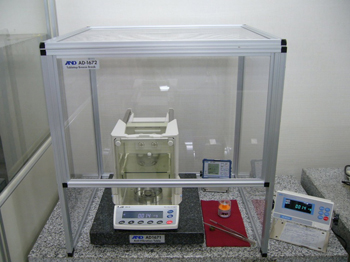
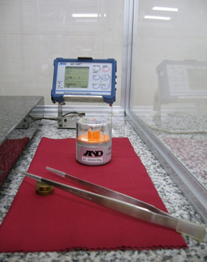
Performance testing of balances at A&D requires that the balance be 1) placed on an anti-vibration table 2) on a stable and rigid bench 3) with a solid foundation. 4) The measurement room must be partitioned off from the rest of the lab and 5) the microbalance must be placed inside an external breeze break to reduce drafts from air conditioning systems. 6) The temperature, humidity, atmospheric pressure, vibrations and wind speed are to be monitored. 7) The balance must be plugged in for approximately one night and a standard weight is used for inspection. Finally taking into consideration the largest source of disturbance, heat from the human body, 8) a special set of 21 cm tweezers must be used to ensure the technician’s hands do not enter the breeze break when confirming repeatability with the 1 g weight.

If proper attention is paid to the measurement environment as detailed above, the repeatability of the BM-20 (22 g capacity, 1 μg minimum resolution) operated manually with a 1 gram weight has been confirmed to be at best 1.2 μg and with this repeatability it is possible to measure to a minimum weight equivalent to 2.4 mg.

Some causes of reduced microbalance performance are from the installation environment and the act of weighing. For the installation environment, the problem is not that the temperature, humidity, or atmospheric pressure is too high or too low but the small changes in the conditions as detailed below. 1) A weak breeze from an air conditioning unit can create ripples of 0.1˚C changes in room temperature imperceptible to humans that negatively impact the display stability of the balance. After deciding to eliminate the source of the breeze by 2) turning off the air conditioning unit immediately before weighing creates slight temperature fluctuations, another cause of display instability. General weighing with balances should be an accurate and agile process. Sources of error caused by the environment on the balance should be minimized, that is, 3) measuring should be done quickly. The door to the weighing chamber should be opened sparingly and the door should not be opened too far, and operations should be kept short to prevent drafts inside the weighing chamber. This phenomenon can be easily inferred from our experience of being in a warm room in winter. That is, when a door is opened more cold air rushes into a room if the opening is large and it is opened for a long time.

Eliminating the effect of the operator’s body heat and breath is essential as the operators themselves contribute the largest sources of error for a balance. We recommend the following for basic operation: 1) Operators should refrain from operating a balance while they are sweating. 2) Operators should wear proper laboratory clothing and refrain from wearing T-shirts as they disperse heat. 3) Tweezers should be used to prevent the exchange of heat caused by putting fingers inside the balance enclosure.

Fig.1 AC on, no external breeze break
Fig.2 AC on with external breeze break

The above graphs show the effect of air conditioning on the performance of a balance. The same balance was used in the same location for both measurements. The horizontal axis shows a 24 hour time period, the red vertical axis shows temperature change and the black vertical axis shows the standard deviation for a 20 g gram internal weight measured 10 times. That is, each point is the standard deviation of ten consecutive measurements. The graph on the left has negligible temperature change and stays between 26 and 25˚C but the repeatability averages 5 μg and crosses 8 μg in 8 places. The temperature change is larger, 1.8˚C, for the graph on the right; however, it is much more stable with repeatability averaging 4 μg and at worst reaching 6 μg.

The cause of this difference in performance for the balance was confirmed to be tiny ripples in temperature. These are shown by the 0.1˚C temperature fluctuations occurring after 19:00 on 7/12 in figure 1. Although the single day change in temperature in figure 2 is large, there are no temperature “ripples” and the temperature change occurs steadily. The reason for this is the balance in figure 2 was enclosed in the AD-1672 Tabletop Breeze Break causing the small fluctuations from the AC to disappear, allowing the temperature to transition gradually. This data demonstrates that balances are stable during gradual changes in temperature over the course of a day and weak against slight temperature fluctuations over short durations. The external breeze break is an effective countermeasure for drafts caused by air conditioning systems.

Fig.3 Typhoon no anti-vibration table
Fig.4 Typhoon with anti-vibration table

Figures 3 and 4 are graphs from two microbalances used in the same location at the same time during a typhoon. In the graph on the right the AD-1671 Anti-vibration Table is used whereas in the graph on the left it is not. Winds from the typhoon cause the building to sway in ways not detectable by humans and cause the repeatability of the balance to deteriorate. However, the passive vibration canceling ability of the anti-vibration table has proven effective as a countermeasure for the imperceptible movements of buildings. Active vibration canceling tables such as the ones that use air suspension are known to shake the balance ever so slightly leading to unstable measurements.

The above graphs illustrate the necessity of understanding and analyzing the various disturbances and show that balances will have greater stability when the correct countermeasures are used for those disturbances. In general, the change in temperature for a day should be kept within 4˚C and the short term (30 minute) temperature change should be within 0.2˚C. Humidity should change no more than 10% in a day and atmospheric pressure should be within 10 hPa. Vibration and wind should be kept to a minimum.

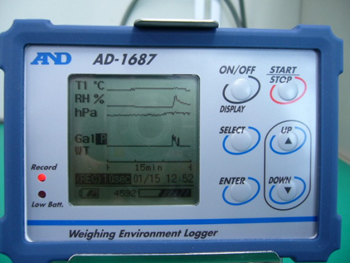
Monitoring environmental variables is critical for ensuring balance performance and as a result we developed the world’s only environment logger capable of simultaneously measuring and recording temperature, humidity, atmospheric pressure, vibration, wind speed and weighing values. Furthermore we have perfected “AND-MEET”, an environment evaluation tool used for the 24-hour monitoring of the balance and environment. The figures 1 to 4 were results of AND-MEET, and by installing and using these instruments and tools in the actual points of use of microbalances, we can evaluate the installation environment and propose improvements for each laboratory. Through the introduction of this established method, these tools provide the technical support to ensure that the microbalance can be used worry free. Excluding operation methods, we have perfected the method of evaluating and proposing improvements to the measuring environment.

After inspection of the remaining weighing operations, the following countermeasures were drafted. The required minimum weight for elemental analysis is around 2 mg and a weighing tolerance within 0.2 mg (10%) is considered satisfactory during sampling, but to ensure the precision of the analysis results 2 mg±10 μg is desired. In general, samples are weighed on quartz or platinum weigh boats up to 3 times, but the minimum display of 1 μg is not required for all processes. Accordingly, the following three steps can be suggested: 1st Weighing: Individual boats are left in the weighing chamber to adjust to the temperature and weighed to the nearest 1 μg. 2nd Weighing: The sample is weighed together with the boat in the 0.1 mg range or 0.01 mg range. 3rd Weighing: The boat and sample are left in measurement chamber to adjust to the temperature before the final measurement in the 1 μg range. By using this method we are proposing that when measurement in the ug range is unnecessary, measurement should be in the larger ranges and additionally from the measurement in the microgram range for the initial tare and final value the sample value can be obtained from subtracting the weight in 3rd weighing from the weight in 1st weighing.

This method reduces the number of measurements required in the 1 μg range and potentially shortens the measurement time necessary for the 0.1/0.01 mg estimates. This in turn reduces the change in temperature inside the weighing chamber allowing for stable measurements. This proposed measurement method assumes that the time the chamber door is opened is as short as possible and the door is closed before each measurement to minimize changes to the interior of the chamber.

Even through adopting these methods, the minimum weight obtained from the 2.5 μg repeatability in the specifications for the BM20 is 5 mg (2.5 μg × 2000=5 mg). Determining sample weights under 5 mg require an ultra microbalance with dig = 0.1 μg. However, preparing an environment for measurement with an ultra microbalance is extremely difficult. I’ve seen many ultra microbalances in laboratories that I’ve visited collecting dust from disuse. As this has become quite long I will wait until next time to expand upon the problem of minimum weight and microbalances.

A&D has developed an air flow logger capable of detecting breezes with speeds below 1m/s. For this development story I have put some material together on the background behind the development the air flow logger and also some market information related to safety cabinets.

A few years ago we developed and started selling the BM series of microbalances capable of microgram measurement. The BM series includes our flagship products, the BM-20 and BM-22, which are currently the only microbalance made in Japan. We have developed products like the BM-252, a world-first device capable of a minimum resolution of 10 μg through the full range of its 250 g capacity, that still remains the only of its type in the world.

When designing the BM series, I traveled around gathering information from laboratories and dealers. At that time, many microbalances found in labs were literally collecting dust. I inquired as to why these microbalances that cost upwards of 2 million yen were being left unused and was told that they are so unstable that they are useless. Meanwhile, I was also reminded of the fact that about 10 years ago a domestic maker began to offer microbalances only to be inundated with complaints and quickly retreat from the market. I think that in the background of all this if Japanese balance manufacturers are going to sell microbalances, it is their responsibility to prevent problems that become potential nuisances for the customer in the end.

As a result of visiting various labs I found that microbalances were often placed in unsuitable areas such as on a central table in the laboratory near areas of frequent foot traffic, directly below the vent from an air conditioning system or in direct sunlight near a window. This led me to decide that when selling a microbalance, it was essential to measure the temperature, humidity, atmospheric pressure, vibration and wind speed to show that the location where the balance was to be installed was appropriate.

After some contemplation I realized it was possible to evaluate the environment by monitoring the measurement values of a balance over a long time as balances themselves are sensitive to environment factors. Going one step further we determined that by simultaneously measuring the other environment factors, the source of weighing instability could be ascertained. In order to do just this, in development we came up with a method of obtaining repeatability. This method worked by periodically raising and lowering the internal weight, using the zero and measurement value to determine the span value repeatedly and finally using these span values to calculate the repeatability. We also found it is essential to measure environmental factors contributing to error (temperature, humidity, atmospheric pressure, vibration and wind speed).

This method eventually became A&D’s measurement environment evaluation tool, “A&D-MEET”, which entered the market when the BM series was first sold. However, at A&D there were some issues with using MEET. This was because MEET would incur labor costs that we were unsure of how to consider appropriately. Sales thought the process was too high-maintenance as it requires 1) setup of the balance and running MEET, 2) a return trip to gather the data and 3) another return trip to explain the results. They claimed this process was ineffective for business.

I insisted that as a service fee for using MEET around 100,000 yen should be the established price. I also added that repeatedly visiting the customer could lead to future business opportunities. However, the main reaction I received was that A&D was a company that sold physical items and had no business gambling on services and also that no customer would spend 100,000 yen on an intangible thing such as running MEET. This lengthy debate within the company ended in futility as in the end the price of things is determined by the people who buy them.

Four years has passed since MEET was proposed and A&D’s microbalances are reliably sold by sale representatives with sales continuing to increase every year. From the perspective of the researcher when buying an expensive microbalance the biggest risk is not being able to use the device. Therefore it is easy to conclude 100,000 yen to be a reasonable price for a tool that can avoid or reduce such a risk. Additionally, even if they do not ask for MEET when the balance is installed researchers will feel a sense of safety more than anything else when we explain that we are prepared to deal with any measurement troubles beforehand. Moreover, when beginning to sell microbalances we also began sales of independently designed breeze breaks as well as anti-vibration platforms and balance tables as tools to improve the measuring environment to support the microbalance market.

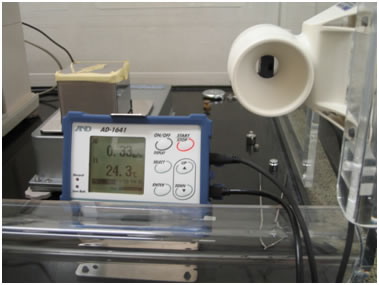
Now back to the main topic, aside from evaluating the environment where an analytical balance is used, the measurement of breezes in labs can be used in the following cases: 1) Measurement and recording of the wind speed at the entrance to a fume hood or balance enclosure, 2) measurement and recording of the holding environment for animals and plants, 3) measurement and recording of the air flow in a cleanroom or laminar flow cabinet as well as the measurement and recording of transport and usage environment of precision devices. When the BM series first came on sale, there was no device in the world that could simultaneously measure and record environmental factors that affect balances such as temperature, humidity, atmospheric pressure, vibration and wind speed. And the addition of the capability to measure low-velocity breezes has culminated in the AD-1641 Air Flow Logger. The AD-1641 can be used to simultaneously record up to 10000 data sets from 6 different measurements, including environmental factors (temperature, humidity, atmospheric pressure, vibration, and wind speed) affecting places from laboratories to production facilities, and measured weight data.

Fig. 1 below shows AD-1641 placed at the opening of an AD-1673 balance enclosure.

AD-1641 Air flow logger installed in balance enclosure
Fig.1 AD-1641 Air flow logger installed in balance enclosure

I believe that for instance if the AD-1641 is used for the required air flow measurement of all types of safety cabinets, it will serve effectively as an environment recording tool and guarantee the safety and security of researchers working on analysis and materials development as well as producers of materials.

I have experienced firsthand the difficulty of selling world-first products from Japan and yet, as long as I have time, I will continue to strive to design and sell successful products that not only add value but also express creativity.

For this installment of the developement series I would like to share some details on the ongoing development of the successor models to the GX/GF Series of Precision Balances released 15 years ago.

These top loader balances have the mass sensor mechanisms and the circuit board housed inside a case with the weighing pan placed on top as the name suggest. The minimum weighing displays are 1mg, 10mg, and 0.1g and the weighing range is between 200 grams and a few kilograms. The ratio of the minimum display to the capacity is approximately 100,000~1,000,000 to 1. These balances are capable of high resolutions and sensitivities and as such make up a key market area for weighing instrument commodities and are used in a wide range of applications from the inspection and quality control of parts on a production line for industrial products to experiments and research at universities. Also the exceptional cost performance and user-friendliness of these balances make them ubiquitous in biological and medical research as well as food and materials development laboratories.

I have mentioned before that in the year 2000 when the original GX/GF was developed, three or four competitors had already proposed new “mono” (single unit) structure mass sensors. However, to me following this idea would only entail playing catch up to other companies. Moreover using a specialized “mono” structure would limit the processing methods, requiring capital and investment in production facilities. The large initial investment was a cause for worry that led us to conceive the super hybrid sensor (SHS) with a method of combining modular high precision parts instead of having a “mono” structure. I have written previously about the research leading up to our unique hybridization and realization of the actual sensor.

When we were developing the SHS, Japan was at a high level of technological sophistication and fortunately we had maintained long-standing cooperative relationships with manufacturers of high quality parts. They boldly set out on the machining process of the Roverbal structure, which was the key component of the SHS that we planned. This would result in the production of specialized components being done with general processing machinery turning the hybrid structure into reality. Some time has passed since the development of the original SHS and even now, the GX/GF series equipped with the first SHS remains securely as the leading balance in Japan. At the same time the SHS has evolved and is currently finding uses in devices from microbalances to industrial balances and sensors for moisture analyzers.

When the SHS was being developed, our competitors were focused on mono structure designs so proposing a hybrid structure was met with significant criticism from within A&D, with people suggesting it was a hopeless endeavor. However, to use an example from the automotive industry, most customers don’t really care whether the camshafts of a car are SOHC or DOHC, or if it is a turbocharger or supercharger, or if it’s a diesel or hybrid vehicle. What people actually care about is the comfort when driving (acceleration, stability, collision safety, space, storage, convenience) and fuel efficiency, and whether they are commensurate with the initial investment and required maintenance fees. In other words, the materials that are advertised as relevant to cars are only means, not the ends..

Even for balances, if the performance (weighing stability, response speed, usability) is good then debating the method to obtain that performance is meaningless. We developed SHS as the mass sensor that would give the GX/GF series the fastest response time in the world and make maintenance simple and cheap while reducing the cost of components.

Although the GX/GF has become the market leader in the past 15 years, we planned a complete model change and started development of a newer mass sensor to make a more user friendly product 3 years ago. This was due in part to the rapid technological improvement in electronic parts. This new model would be the last mass sensor that I personally would develop after working on 6 types since the first HX in my 27 years of employment at A&D. I have therefore planned a product that should remain at the top of its class for a decade from now and also have proposed solutions to the many performance inhibiting problems discovered with the mass sensor that led to dead ends in development. During such dead ends, engineers will be put to the test. The conventional way to continue development during these times is reshuffling people because engineers that begin to list reasons why something can’t be done cannot be persuaded to change. More than 2 years was required to get the desired performance and in that time an engineer has quit due to differences in opinions.

In our current project we ended the shaving process for corner-load adjustment while following the proposed SHS hybrid structure and adopted a structure that uses screws for corner-load adjustment. We equipped the sensor with a feature that can announce when there is an excessive load. This is to protect the mass sensor from damage for when automated production machines are used, as the load applied by automated machines can reach around 3 times greater than when the balance is loaded manually. In addition, we adopted a new leveling mechanism and function that allows measurement of flow rates of liquids. These features are a new plan focused on the place of use and have not been included in any balance up until now.

I would like to explain the technical specifications of the new additions in further detail over several installments. This time I will cover the composition of the device and the alarm for excessive loads.

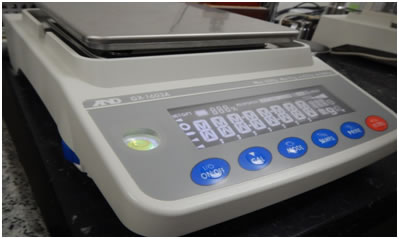
The measurement display area is larger in the new GX/GF and the display method has been changed from VFD to reverse backlit LCD. The large white characters make the display easier to read. We have also added a light to the spirit level to facilitate horizontal adjustment in darker areas.

GX-A/GF-A Series

Now, I will move on to the overload warning. Balances are calibrated with weights of known mass at the place of use/installation. The purpose of this calibration is to compensate for the acceleration due to gravity which differs depending on location. The force F = M0 × G0 where M0 is the mass of a known weight, G0 is the location’s gravitational acceleration is balanced with the electromagnetic force through the intermediary of a fulcrum. When a load is added a beam moves and its displacement is measured by a position detection unit with an infrared sensor, and the current of the electromagnetic unit is controlled so that the beam comes to the same location. If the current is controlled, the load on the pan and the Lorentz force produced from the electromagnetic unit can be put at equilibrium and an electromagnetic force proportional to the added load is produced.

We call using the electromagnetic force to balance the weight (mass) on the pan the electromagnetic equilibrium method. Currently almost all top-loader balances and analytical balances use this method. In the electromagnetic equilibrium method the mass of an unknown object is determined by balancing the force (current) produced by the electromagnetic unit with the unknown object.

With this method, the position sensor output changes proportionally with the load, and afterwards the closed controlled beam returns to its original position by the electromagnetic force. The displacement from the position sensor changes with the load. If the derivative of that displacement is taken with respect to time, the velocity of the beam can be obtained and from that another time derivative is used to find acceleration. We found that the change in the position sensor when the impact load is added shows the displacement of the beam when the impact load is transmitted and if the acceleration is obtained from the second derivative of position, the static load equivalent applied to the mass sensor by the impact load can be evaluated.

An experiment to prove our hypothesis showed that when a person places something on the balance pan with their hands there is a three-fold difference in the impact that the mass sensor receives compared to when the same mass is placed on the balance pan with a pneumatic actuator. That is, we showed that 1kg (1G) loaded by hand, registers as a load of 3kg (3G) even after adjustments by air cylinders or other devices. Giving the function to process this data to the balance itself and showing the result of that evaluation on the display unit will allow balance users to see that the weight is overloading the system.

In the past there were some instances of balances built for production lines for large automotive manufacturers becoming damaged after a certain period of time. To remedy this, A&D, the automated machine manufacturer and the end user conducted an investigation to determine the cause of this problem. The investigation found that after a short amount of time the mass sensor unit became damaged for the balances at all of the manufacturers. At this time it was speculated that if the balance could determine and transmit its condition, developers could plan against damage to the balance before it happened. We determined that by displaying the equivalent load experienced by the mass sensor to the user and issuing a warning about how the balance is used, preventative measures could be formulated to protect the balance.

The GX/GF-A is the first in the weighing industry capable of evaluating impact loads and I believe it will find many applications on the production line as a versatile weighing instrument due to its quick response speed and stability.

Automatic scale for animals(AD-1642A for mice)

Animal testing is used to accomplish the crucial task of evaluating the safety and effect of medicine before testing on humans occurs in the development process for new medicines. At facilities that perform these tests many tools ranging from balances for measuring weight to microscopes for observation are used for analysis.

In the past analytical experiments were commonly performed on animals to investigate the weight change of internal organs after medicine was administered as well as the biological responses of certain organs. However, an increased focus on animal welfare has led to a strong push toward reducing live dissections that accompany analytical experiments.

In recent years there have been ongoing attempts to measure the behavior patterns that indicate an animal’s health condition as well as changes in the voluntary activity of animals. This includes determining the behavior patterns and symptoms of the animal’s psychological state to try to see the effect of the drugs on the animal’s behavior. These methods are linked to the movement towards conducting appropriate evaluations and drawing proper conclusions on the effects of medicines including the mental state of a person when they are prescribed medicine.

It is becoming apparent that even when medicine is administered to people there may be psychological impacts that cannot be understood from only the response of the internal organs. Keeping this in mind, analyzing quantified phenomena such as animal behavior patterns and determining the effect of the medicine from those results is leading to methods for evaluating the comprehensive response on an individual or group of organisms.

Even though a medicine may cure a person’s illness it can also cause a reduction in that person’s quality of life (QOL) or in the most extreme case curing the disease may cause the person die. Recognition of these ideas is spreading among not only the pharmaceutical and medical industries but also among the general population.

In the past a device that measures the movement of animals by using the change in electrostatic capacitance was proposed as a way to measure animal behavior. Recently there have been attempts to quantify voluntary exercise using IR sensors and CCD cameras to capture animal movement.

Using these methods, digitized data from counting the number of movements between virtual areas on the floor of the animal’s cage and also from using light to count the movements between areas are used as the basis for measurement of voluntary exercise and the animal’s activity. However, quantifying animal movements observed from optical devices into digital data is a difficult problem among other problems such as poor measurement method compatibility and poor repeatability.

Many people have expressed the desire to measure both age-related weight gains of animals such as mice and weight changes caused by administering medicine all while measuring animal’s spontaneous movements over a period of time. There is a desire to make successive weight measurements on an animal without direct human intervention especially in the case of assessing the effect of pollutants on the body. Specific requests are increasing for improving safety issues with cross contamination such as with viral infections between humans and animals and improving experimental accuracy by lowering contact between people, the largest source of interference, and the test animal in the process for raising animals.

As a response to this latent demand we developed a scale that can automatically weigh mice and record the data. On this scale we placed a balance under the mouse’s cage and used a vertically extended pan support to place the balance pan the inside the cage.

By placing only the balance pan inside the cage, the measurement value when the mouse is on the pan (loaded value) and when the mouse is off the pan (zero point) can be calculated. By subtracting the zero point from the loaded value the weight of the mouse can be identified and by carrying out measurements over a long period of time data for weight change over time can be obtained.

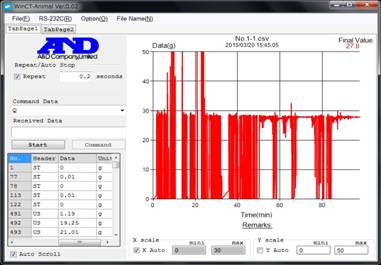
Our newly developed automatic scale for mice is shown in figure 1.The balance for this scale is on the bottom, enclosed by a case. The mouse cage is placed on top of the case. There is a hole on the floor at the bottom of the cage. The balance pan goes through this hole as part of the structure inside the cage. The output from the scale is recorded as continuous measurement data and that data can be sent to a PC and analyzed. Additionally, wireless transmission of data is possible if the measurement environment permits.

From the time-series monitoring of the mouse’s weight, that is measuring the time and frequency that the mouse is on the pan and also the amount of variation in its measured weight, we found that we could obtain not only the mouse’s weight but also important reference data for the amount of voluntary exercise and activity. Figure 2 shows data for a black mouse that weighs about 30g inside the cage for 90 minutes. On the graph the horizontal axis represents time and the vertical axis shows weight in grams. This mouse was full of curiosity and once inside the cage actively investigated the surrounding for the first 50 minutes. Afterward it stayed on the measurement pan and refrained from moving around much as shown in the graph. The graph shows the mouse’s weight on the pan as about 28g and displays zero grams when the mouse is off the pan. If, for instant, there was food or feces on the pan the mouse’s weight could still be calculated from the difference of the displayed weight when the mouse is on the pan and the “zero-point” weight.

Additionally, from being able to determine the frequency and amount of time that each mouse is on the pan and making some calculations an estimation of a mouse’s voluntary exercise amount is possible. Experiments with different mice put into the cage show large differences in the individual movements of each mouse.

Weight change for black mouse in cage for 90 minutes
Fig.2 Weight change for black mouse in cage for 90 minutes

With our newly developed automatic animal scale the previously difficult task of conducting sequential weight measurements is now possible. Furthermore, it was determined that by monitoring the change in weight over time, it is possible to evaluate the effect of medicine and other materials on animals. I believe our scale can be used as a device for measurement and analysis in fields outside medicine evaluation, for example, evaluating an animal’s individual activity levels, analyzing behavior patterns, and evaluating the effect of habitat aspects such as food, water, temperature, humidity, vibration, and wind on animals.

I would like to use this automatic measuring technology as a base to continue active development of various new products that can objectively evaluate the behaviors of animals.

Weighing instruments have a long history of use in part quality control and are recognized for their simple, cheap, and precise detection of defects including missing internal parts. Accordingly, precision balances were brought to the quality control and quantity management postproduction processes and have become essential for effective quality control. Next, from around 30 years ago general-purpose precision balances having 10 mg readability became more common mainly on bearing production lines. This was largely attributable to the fact that quick response balances with response times as low as one second came about and realized takt times of one second required on production lines. Latent demand propelled development of new quick response balances which led to the ability to perform complete part inspections and an increase in the frequency of weighing instrument use on production lines.

In my third year at A&D, I brought the HX series, which I developed from a weight sensor, to the market with an extensive set of design specifications that mirrored the society of the late bubble period. The HX series was a highly-functional, high-priced product compared to the general-use balances of the time but was not well received by the post-bubble market and ultimately failed. Despite its failure the HX series was the only general purpose balance to achieve one second response time in the balance industry at that time. Ten years later in 2000 we developed the GX series, the second generation of successor to the HX series and traveled to demonstrate this new product to our customers at large companies. I was surprised to find that manufacturers frequently using the HX series were strongly opposed to the discontinuation of the series. It was here that I realized the extent of HX series adoption on production lines. I find it amazing that it took me, the development manager, the entire 10 year period from product launch until its discontinuation to realize such a simple thing.

This realization helped me understand the importance of frequently turning to the market. I reflected on the widely-used development stance of the time that offered little perspective on the outside world. Since then when the opportunity presents itself I do my best to visit the sites where the products are actually used. I also came to realize the difficulty of obtaining market information since our company did not do direct sales.

Today weighing instruments from the level of general purpose balances to that of analytical balances measuring units as low as 0.1mg have become commonplace on the production line. Also in the past few years devices that weigh to the millionth of a gram called micro balances present new opportunities for quality control on the production line.

Microgram sensitivity has become important in production for three reasons: (1) the saturation of the large liquid crystal market and the booming smartphone market have caused the amount of resist ink added to small liquid crystals to reach the 0.1 mg (100 μg) range, (2) the miniaturization of electronic components has led to a reduction in the amount of IC sealant and soldering paste, and (3) there has been further miniaturization of bearings for storage and other devices. Behind all of this is the far-reaching issue that for Japan to survive in new markets it must guarantee superior quality control for its products.

In the situation described above, Japan, Korea, Taiwan monopolize the design and construction of production lines containing weighing instruments and the final placement of the line is almost inevitably China.

Many experts understand that microbalances display values tend to be unstable. However regarding why they become this way the common answer vaguely states the high sensitivity of the device is the source of the instability and doesn’t specify any further sources. This reality created a situation in which even when the sources of instability needed to be remedied where these balances are used, no corrective action could actually be taken, leaving the manufacturers of the balances to find a solution themselves. Nevertheless, the industry has long seen no manufacturer or balance related technological report that proposed any reasonable solution to the problem.

It is a contradiction that weighing and measuring instrument manufacturers do not measure the environment where the device is placed. To remedy this we looked into this idea of measuring the measuring environment. As a result, we came up with the idea of first recording weighing data over a long period of time while simultaneously taking the temperature, humidity, pressure, and vibration data of the weighing environment, next calculating the repeatability from the consecutive weighing results, and then graphing the data in order to hit on the cause(s) of the weighing instability. Through the rather upside-down thinking of drawing on the instability of the balance itself to identify its environmental causes, we found that it was possible to determine all sources of instability through monitoring weighing and environment data for 24 hours. This method became the basis for our weighing environment evaluation tool called “AND-MEET”. Through using AND-MEET and collecting and analyzing data the following could be determined to influence measurement: far away events such as the recent earthquake in Nepal 5000 kilometers away and influence from tectonic movements on the global scale, closer sources such as turning the air conditioner on and off, movement of people and trucks, the passing of low pressure air, heat from devices like electric furnaces placed in the room, and structural issues in the building where the measurement instrument is placed. After understanding the sources we could easily find ways to deal with them.

However, finding a way to handle instability caused by passing of a low pressure system proved to be our most difficult problem. Our newly developed device for production line weighing, the AD-4212D series, includes a model with a minimum display of 1μg and improved display stability. Display stability has been a problem with the existing products and fixing it was the most important of our development goals.

We were able to plan against disturbances such as temperature, humidity, and vibration. However, in our approach to correct issues caused by the approximation of a low pressure system we found that the standard deviation of the repeatability which should be 1.2 μg worsened to over 10 μg. We believed the source of this problem was the building being shaken by the strong winds accompanying low pressure systems. So we used the AD-1687 Environment Logger to repeatedly evaluate the environment. Unfortunately, there was no change in the vibration sensor, sensitive to one Gal. Even when there was no vibration in the building occasional instability in the weighing instrument was confirmed. The instruments were relatively stable during the summer but data taken a half year later in winter showed an increase in the frequency of instability. Finally, we identified that the wind speed as announced by the weather station itself would worsen the repeatability. However, even if wind blows directly towards the weighing instrument, with proper protection such as a breeze break there should be little effect. Furthermore there was no reason to think wind from outside could enter the partitioned rooms housing the balances.

In the end we found that minute pressure fluctuations inside the room attributed to the reported wind speed outside and pressure deviations caused by the airtightness of the casing for the weight sensor contributed to a variation in the instrument’s zero point. I plan to explain the details of our countermeasures for this problem at a later date, but after their implementation the new line of weighing instruments guarantees stable measurements at one microgram and ensures high precision with repeatability of 1.2 micrograms even if the wind speed is 4 m/s (or wind power 2) as shown in the attached graph. It has already been two long years of development for the AD-4212D.

A significant amount of time was required to ensure high stability at the one microgram level. Still, one technological breakthrough has eventually amounted into a tangible product as with the AD-4212D. I hope this weighing instrument, as a high stability analytical balance like none before, will effectively ensure the performance and quality of products manufactured on production lines and thereby contribute to productivity and quality improvements in Japan’s specialty of precision instrument production.

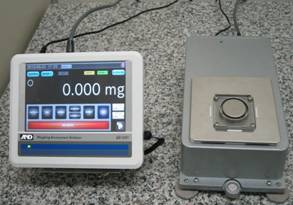
Fig1:AD-4212D Controller (display) and weighing unit
Fig 2:AD-4212D AND-MEET data
Repeatability at wind speed 4m/s averaged1.3 µg
AND-MEET and Earthquake in Nepal
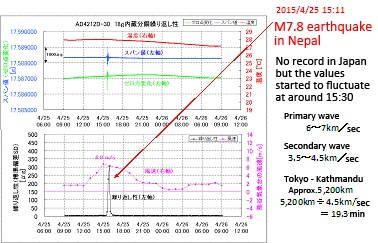
    Fig3:AD-4212D AND-MEET data from time of earthquake

Fig 3 shows AND-MEET data for the 24 hours between 9:00 AM on April 25th and 9:00 AM on April 26th, 2015. Repeatability worsened due to the earthquake in Nepal but we confirmed no problems in balance function even with the maximum wind speed of 6.8 m/s.

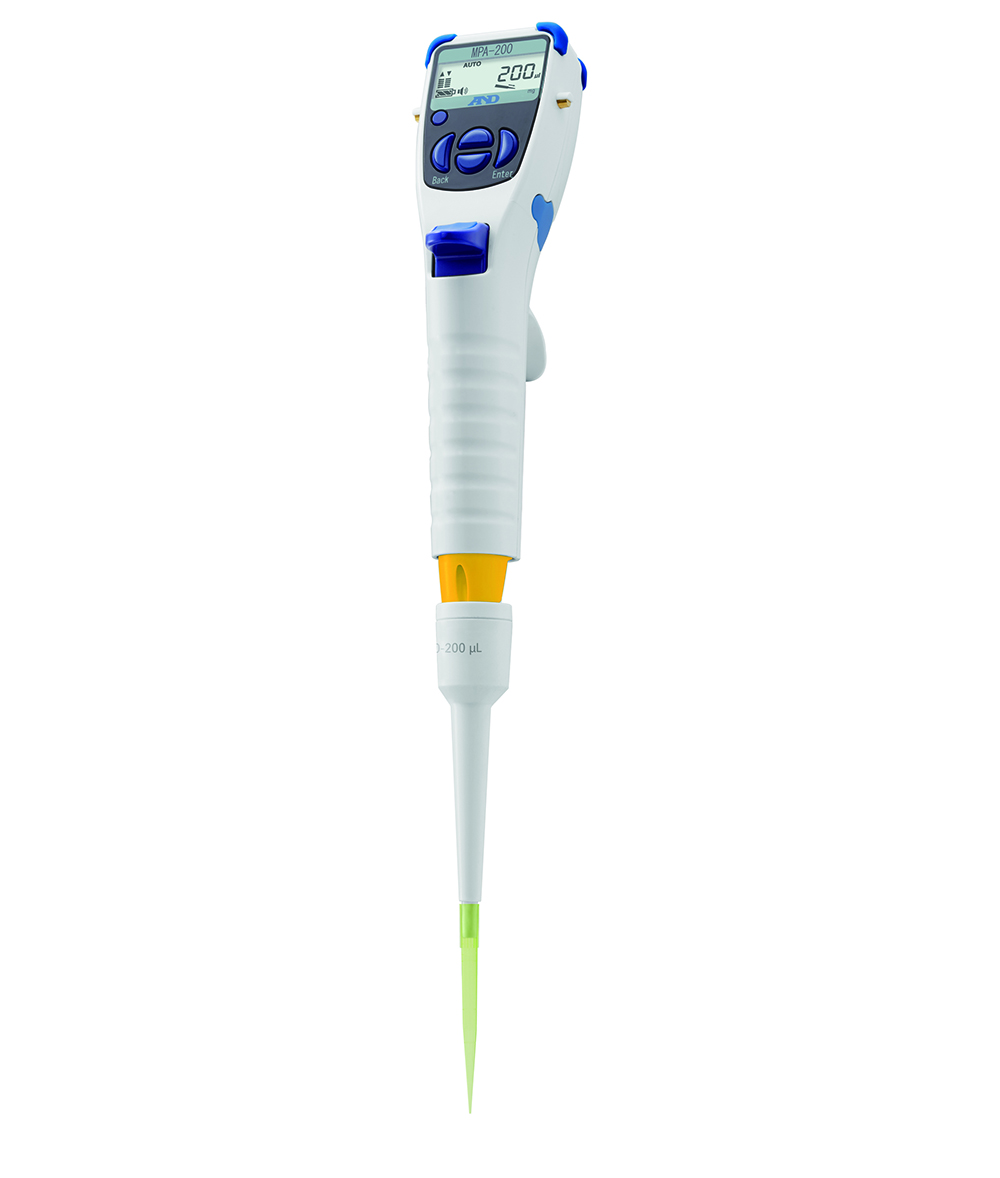
In spring this year, A&D launched our new MPA Series of original electronic single channel pipettes. With our exciting new products in hand, we visited research laboratories across Japan to explain their many benefits, starting in Kyushu’s Fukuoka, then moving to Shikoku Island, Osaka, Kyoto, Nagoya, the Hokuriku region, then finally areas in around Tokyo. Our promotional activities have already extended overseas as well, introducing the MPA Series to laboratories in Korea and conducting some market research there.

In this Development Story, I will summarize what we have learned from this market research and propose practical solutions to some of the problems that pipette users are facing in their place of work.

  • Dispensing liquids with a high level of viscosity

If the viscosity of the dispensed liquid is high, it sticks to the outer perimeter and inner surface of the tip. Liquids that particularly pose a problem are those that stick to the inner wall of the tip. When this happens it is not possible to cleanly discharge or ensure accurate dispensing amounts. Addressing this problem requires, 1) slowing down the aspirating and dispensing speeds so the liquid can be properly transferred; 2) aspirating a larger amount of the liquid beforehand and establishing the dispensed amount based on the amount discharged (this is commonly called reverse mode and reduces the degree of error with the liquid that remains inside the tip); 3) using a tip with a wide circumference to reduce the pressure added to the high viscosity liquid. MPA electronic pipettes have five different speeds of aspiration and dispensing selectable and can be easily set to reverse mode, making more stable dispensing possible.

However, whichever of these methods is used, dispensing liquids with viscosities around 10 times higher than water (10 mPa•s) will always be a problem for micropipettes which rely on air pressure for their operation. A type of dispensing device that has a piston attach the liquid would have to be used for any viscosity level higher than this.

  • Dispensing highly volatile liquids such as solvents

Many researchers feel that the dispensing of highly volatile and low viscosity liquids such as solvents is rather difficult. The cause of this problem is the empty space in the cylinder built into the pipette becoming filled with vapour from the solvent or other volatile liquid. In other words, as soon as the solvent is aspirated the piston is filled with vapour from the solvent, which increases pressure inside the cylinder and forces the solvent to leak out of the tip or makes the dispensing amount inconsistent. In order to avoid this phenomenon, it is recommended to aspirate and discharge the solvent several times before the dispensing is performed to create a constant vapour pressure. This so-called “pre-rinse” practice is recommended for not only solvents, but as an effective general preparation measure to ensure the accuracy of the dispensing process. One of the MPA Series’ many merits is simple switch-only operation of multiple aspiration-discharge actions which are effective for mixing liquids or performing pre-rinse.

  • Operability when performing consecutive dispensing

Dispensing to a 96-well microplate is a difficult operation and even if a multiple channel pipette is used, a high degree of skill and dexterity is required to ensure correct dispensing amounts. When a manual single channel pipette is used for repeated dispensing, the same parallel movement of aspirating and dispensing is needed to be done many times, a frustrating task for the researcher and one which can consume a significant amount of time. With an electronic single channel pipette however, with one touch of the switch an amount equivalent to fill 8 or 12 wells can be aspirated in one go, then evenly dispensed with 8 or 12 touches. Particularly when very precise dispensing is required or when there is a need to reduce wasted use of an expensive solution, using an electronic single channel pipette, which provides easy operation and high accuracy, is shown to be the most effective measure.

  • Consecutive dispensing with an electronic pipette

When multiple dispensing is performed with an electronic pipette, even amounts cannot be ensured and the first time can be a touch short. We also regularly hear that the final dispensed amount can also be insufficient among other complaints. These issues can also occur with manual-type pipettes in principle, however as multiple dispensing cannot be performed with manual pipettes each dispensed amount cannot truly be compared with others and is therefore not acknowledged as a problem.

The cause of this error in multiple dispensing could be explained as a phenomenon generally called “backlash”. Simply put, this is the same as backlash in the steering wheel of a vehicle. Backlash occurs in the steering wheel of a vehicle when it stops moving in one direction and then starts moving in another, with a delayed response due to gaps between the gears or screws. For pipettes, backlash is caused by the looseness of the screw that controls the variable volume as well as slight shifts in position of parts, such as the o-ring for sealing the cylinder, due to variances in pressure between the negative pressure when aspirating and the application of pressure when dispensing, resulting in changes in volume.

From the explanation above, it can be understood that backlash occurs in both manual and electronic pipettes. For manual pipettes, this occurrence of backlash cannot be resolved. However, for electronic pipettes, it can be avoided. This is because the dispensing amount can be stabilized by aspirating more liquid than is required and before dispensing the liquid automatically discharging a minute amount. In the MPA series, we call this function “pre-dispense” and it comes as standard on all models. We are currently applying for patents and trademarks for this function, but meanwhile, with the addition of this function to the MPA Series, the problem of measurement error in the first dispense of multiple dispensing operations typically seen in previous electronic pipettes has been successfully minimized.

With use of this “pre-dispense” function, we have achieved an enormous improvement in dispensing performance, halving the degree of repeatability compared to manual pipettes manufactured by major pipette makers. I’m intending to report concrete details on this in an academic conference in 2014.

  • Compatibility between pipettes and tips

Visiting several research laboratories, we were asked every time about compatibility with tips that are already being used. We insisted that the MPA Series is compatible with existing tips, but the researchers we spoke to were not interested in general terms, but rather in the compatibility with the very tip that they were presently using in their own laboratory. We therefore saw the need to try fitting the MPA Series with most of the tips presently available in the market and check if they deliver accurate dispensing without any leaks. The results are published on our website. From the results of our tests we can say that, with the exception of special tips developed for use only with certain devices, any tip can be used with the MPA Series. However, in tip types with a long overall length, a slight loss in the dispensing amount was noticed. Nevertheless, even in cases such as this, one of the advantages of the MPA series being electronic pipettes is that digital calibration can be easily performed by the user in microliters, or in milligrams like balances. As they can be calibrated at their place of use, the accuracy of the MPA Series can be guaranteed and they can be used with complete peace of mind. (An application for a patent for the digital calibration function of the MPA Series has also been lodged)

  • Breakdown and maintenance

It is generally known that a pipette is a device that will break if it is dropped. For manual pipettes, the push-down axle bending or the base part of the tip holder breaking are commonly reported breaks. There are also problems associated with the user aspirating too much of the liquid leading to rust or corrosion of the piston. With electronic pipettes, there have been many reported cases of the display or even the entire device not working after a fall, which has hindered any increase in sales of these devices. In order to protect what could be called the weak spot on an electronic pipette – the display section at the top – the MPA Series features specialized protectors on each four corners of the head section. The design of these patent-pending protectors realizes highly effective durability for the MPA Series, achieving shock resistance from a 1 meter drop when tested dropping the MPA Series onto a P-tile on a concrete base from that height. There is also no chance of over-aspirations from operation errors, as all aspirations are automatic.

The maintenance of the MPA Series is limited to the so-called lower part of the device, which includes the tip holder and piston. This part can be easily removed and replaced by the user themselves, with the pipette ready to be used once again straight away after calibration has been performed.

  • Pipette management methods

How should pipettes be properly managed in their place of use? We were asked this question on many occasions. Pipettes should be managed in their place of use in accordance with the procedures stated in the document called Standard Operating Procedures (SOP). Broadly speaking, these procedures could be divided into “daily check” and “periodic inspection”, which could be compared to daily checks of a car and official vehicle inspection. Daily check of the pipette includes confirmation that the exterior is undamaged, that there are no problems with its functions like switches, etc., that there are no leaks in the piston area and so forth. Periodic inspection encompasses all the items of a daily check as well as an examination of the performance of the device, which requires validation of amounts measured by the device by either volume or mass. It will be necessary to decide in advance what to do with a faulty device if any problems are detected during these checks and examinations.

As we considered management methods for pipettes at their place of use would be essential in many cases after we sold the MPA Series, we produced a document that acts as a guide to create Standard Operating Procedures. When introducing this document to researchers responsible for management of equipment such as pipettes, we have been receiving extremely positive responses.

Micropipettes are exempted from Good Manufacturing Practices (GMP), with the assumption that they are not used on the manufacturing floor. However, they are in fact vital in such places for quality management, not to mention for research and clinical examinations. We believe that in the future it will be hard to tell the difference between skilled hands and beginners when using these electronic pipettes, with improvements in repeatability even for the former group, and the rate of use of these easy-to-use devices will increase significantly.

A&D, as a manufacturer of measurement instruments, has a background of being the first company to develop and commercialise pipette management tools. And finally, using our know how in the field, we have developed our own unique MPA Series of micropipettes. We are anticipating this MPA Series to achieve significant gains in quality, as well as reductions in the burden of repetitive pipetting work, in research laboratories and clinical trials around the world with its durability, ease of use, and exceptional performance.

PM2.5 particulates are becoming a major concern as air-borne contaminants. These micro particles with a diameter of less than 3µm have become subject to new health standards, as when they are inhaled they are too small to be discharged from the lungs and if they remain there for a long time can increase the risk of lung cancer.

Humans breathe a whole lot of air – almost 1500 litres each day. As a result, about 70% of the hazardous substances absorbed by the body comes via the lungs. Usually, even if microparticles stick to the air sacs of the lungs, they are dissolved through the normal functions of the lungs. However, substances such as asbestos or silica are materially stable and do not dissolve in the air sacs of the lungs. It is considered that these substances accumulating in the lungs can lead to a possible risk of cancer. Further, it has also become quite clear that near main trunk roads, vehicle exhaust fumes containing active polluting substances further increase the risk of lung cancer.

While the issue of PM2.5 is very topical, contaminants which are generated far away and drift in the air for a long time do not remain active and are therefore not a serious problem. Rather, the most serious concern is air pollution generated nearby. To be specific, this could come from exhaust fumes from nearby roads, asbestos, silica or lead from soil which is blown up in the wind. There should also be concern in special environments such as pharmaceutical or medical firms that deal with highly potent compounds such as anti-cancer drugs or sites that treat nanoparticles, typified by carbon nanotubes, which are recently drawing attention as new materials.

In particular, within these premises that deal with such hazardous substances, human exposure during synthesizing, production, measurement, separation, collection, etc. is a major issue. The people who manufacture, research and analyze these substances are being placed in the most dangerous circumstances in the course of their duties.

In the measurement of PM2.5 particulates, air is suctioned in from outdoors and passed through a filter. An electronic balance is then used to measure the total amount of microparticles caught in the filter. From news reports such as those we hear from Beijing, with PM2.5 particulates exceeding 300 micrograms per cubic meter of air, we can understand that pollution levels of PM2.5 are determined through weight measurements. Incidentally, the measurement environment for these PM2.5 particulates is subject to extreme restrictions. In order to stabilize measurement with the analytical balance and reduce errors due to moisture absorption, etc., it is stipulated that a measurement environment of 21.5 ±1.5°C and humidity of 35 ±5% must be realized. Also, in order to effectively trap microparticles, a fluorinated filter which can become statically charged very easily and a balance with electrostatic elimination capability are required as well.

At first glance these standards seem quite appropriate, but in order to control the temperature and humidity of a room with balances installed at constant levels, strong breezes are required which will agitate a balance and make stable measurement very difficult. Further, these strong breezes required for controlling temperature and humidity will also cause the hazardous substances trapped in the filters to be stirred up into the air, possibly being inhaled by the researchers conducting the measurement and posing a significant problem. These issues of exposure apply not only to PM2.5 particulates, but all the other hazardous substances mentioned above.

Meanwhile, in recent years devices developed in Europe called balances enclosures, which can seal off hazardous substances, have been drawing a lot of attention as a solution to this problem. Balance enclosures provide the dual functionality of containing these dangerous microparticles and also stabilizing the weight display of the balance. When comparing its capabilities to completely sealed glove boxes or fume hoods which can only perform forced exhaust, the balance enclosure differs in guaranteeing that hazardous microparticles can be easily sealed. Then it occurred to me that creating a measurement environment for PM2.5 particulates by drawing on these features of enclosures might also resolve the problem of exposure to hazardous substances. The remaining problem is therefore how to control temperature and humidity of the air contained by the enclosure while measuring.

Achieving the required measurement environment for PM2.5 particulates for the entire room where an analytical balance is installed requires significant initial facility setup costs, as well as large regular running costs. Also, as mentioned earlier, there is a problem of researchers being exposed to hazardous substances, and it is clear that the balance display inevitably becomes unstable in the end. Further, the high initial cost of the large-scale facilities like those currently being introduced to prefectural institutes for environmental studies is making PM2.5 research very difficult for private enterprises which do not have access to public funds.

Considering these circumstances, I wondered if there wasn’t a possible method for managing the internal humidity and temperature of such a balance enclosure while also keeping the safety functionality of the devices. At that time, the fact that we were manufacturing balance enclosures domestically as an original product suddenly had added merit to us. That is because I conceived the idea that the problems mentioned above could be solved by connecting a balance enclosure to a temperature and humidity controller, as well connecting to a high precision filter unit and then connecting the temperature and humidity controller to the outlet of the filter unit.

Combining these three devices – balance enclosure, temperature and humidity controller and filter unit – is quite simple, but is rendered meaningless when the circulating air inside the unit escapes through the opening section in the front made for operating the measurement apparatus inside. In order to solve this problem, we performed testing for the air’s flow path. As a result, we found that allowing air to flow in from the top of the enclosure, and after stopping this flow with a baffle positioned at the top, allowing the air to be exhausted through the side of the enclosure will successfully let air flow in through the opening at the front. Incidentally, a baffle is a type of control plate configured to control the flow of fluids such as air. The proposed features of this system are not yet included in similar systems either in Japan or overseas, so the assemblage and internal framework of the system was lodged as a patent.

We believe the weighing system proposed here will be widely used for creating a measurement environment for hazardous substances, including PM2.5 particulates, that can be offered at a low price with no further installation work required, which also allows for stable measurement and fully protects the operator from any hazardous substances being measured.

The model below provides a visualization of the basic components of the system.

Weighing system for hazardous substances

I have been publishing these Development Stories for over three years now. Upon reflection, it feels that there is a great number of technical terms appearing in each installment, with the details often quite hard to understand. I have therefore added a yet untold story to this episode. About eight years ago, I was talking to a contractor who was building one of the core components of our balances using a special resin. What he told me then was that people who build or develop new things could be considered technological wizards who can magically pull marvelous new creations out of a hat. This component he was building was designed featuring innovative structure and materials that were world firsts in the balance field. At first, however, with all the many resin cast contractors I had met up to that time, after showing them the plans and discussing the design with them, the answer was always “it’s impossible”. I therefore had a big favor to ask of this developer who I was meeting for the first time. While it was extremely tough for him, the design and production of the part was finally completed and it went on to be successfully incorporated into all further A&D balances resulting in a dramatic improvement in the basic functionality of balances.

Returning to my earlier discussion, at first I did not understand the meaning of the comment that developers are “technological wizards”. What he was getting at was that developing something that did not previously exist in this world is an incredibly creative process that requires a bit of special magic. Prior to that meeting, I was already making it my credo as a developer to realize products that surpass competitors’ in functionality and cost effectiveness. But after being called a wizard I came to think from then onwards that, if I consider my role as a developer in an industrial nation, I should refrain from simply producing for the market a reduced cost version of previously available products and try aiming for some real magic. From that time onwards, if I was not working on a new product where there is nothing similar existing in the market yet, or the product is not targeted toward a special market, I resolved to at the very least add some new value or function to a product when I am performing my development work.

Actually, from around that time onwards, considering products which are completely new creations, A&D has released various products such as a pipette leak tester, weighing data logger, environment logger, tuning fork vibro rheometer and balance analyzer. These products have not been as easy to sell as our other, more traditional types of products in Japan. This may be because A&D is perhaps weak in addressing sales routes for products where detailed explanations are required, but we could also say that Japanese are not, particularly in relation to industrial products, open to trying unique new products and instead wait for new developments to be accepted overseas before making their way to Japan. On the basis of that supposition, I have a fear that our new weighing system for hazardous substances will not be easily sold in the Japanese market as a domestic product. However, whether a new product sells well or doesn’t, as a person engaged in new product development and technology in an industrialized nation, in the end I am still fully committed to continuing the development of unique and exciting new products.

Investment is continuing in production facilities in East Asian countries such as Korea, Taiwan and China, which form the world’s main manufacturing center. Accordingly, uses of weighing devices on these many production lines are also increasing. In particular, while domestic growth in production facilities remains in the doldrums in Japan, opportunities are increasing for production facilities designed in Japan being introduced to these now leading manufacturing countries, or for directly exporting to the region the main pieces of equipment used on these production lines.

The main areas exhibiting this growth are parts and components production, such as lithium ion batteries, integrated circuits, liquid crystal, LED or solar energy generation parts. All of these new fields are areas that Japanese makers developed but were beaten in competition in the international arena.

But what is perhaps interesting in these markets is that while Japan may have lost its share of finished products, it remains competitive against various other Asian countries in supplying production equipment for those products. Also, Japanese products are still preferred for the key components that are essential in this production equipment such as different types of sensors, weighing devices and dispensing devices.

These facts are not unrelated to the predicaments facing major Japanese manufacturers of consumer electronic products, who have had their market share stolen by fresh new players from other Asian countries like Korea, Taiwan and China.

Taking the market for liquid crystal display TVs as an example, Japanese producers of the essential materials such as glass, films, bonding agents or resists have quiet strong export figures. This phenomenon reminds one that in the past, the first generation robots in the field of factory automation(*1), and later personal computers, came to be produced by the easy assembly of parts and components. This is because only black box makers will enjoy an advantage when devices are completed simply by the assembly of black boxes components; a black box being defined as a constituent of a device whose technology is unknown, even when the device is disassembled.

There is a suggestion that Japanese makers of light electrical appliances have started to suffer due to the Lehman Shock, the steep appreciation of the yen after that and attempts to respond to the unique and particular consumer demands of the Japanese domestic market. But if we conjecture from events of the past, we can say that Japanese makers lost their dominant market position due to a loss of planning ability for new products, with more parts becoming black box items. With this, quality standards in other Asian countries caught up with Japan, and as a result Japan has lost their competitiveness in technology and price, which has lead Japan to a prolonged period of stagnation. In other words, the extended period of manufacturing decline experienced by the United Kingdom and then the United States could also be connected with what is presently happening in Japan as well.

This development has been said to have repercussions in the automotive industry as well, with the growth of the market for electric cars without complicated internal combustion engines leading to the continued development of a market for products assembled from a series of different units, such as a motor, battery, chassis, etc.

Under these circumstances, it is considered that in the future Japan must hurry to establish specialist technology in fields where it cannot be easily replicated, advance development of black box parts or elements which cannot be quickly overtaken by competitors and increase its planning ability for new products. Also, regardless of the scale of the company, Japanese companies which depend disproportionately on a single item and thus have only limited markets to sell finished products to tend to have already lost their product planning and development capabilities in the new fields. Consequently, they often lack adaptability to markets where there is room to expand and may well encounter difficulties sustaining future business enterprises.

While that was quite a long introduction, the purpose of this development story is actually to summarize points of interest regarding the use of weighing devices for automated machinery.

In the field of automated machinery, many balances are used, from the commonly-called microbalances with a minimum display value of 1µg (one millionth of 1g) up to large scale electronic balances with a weighing capacity of several dozen kilograms. In particular, microbalances were previously only used in specialist fields such as organic microanalysis, mainly for measurement of analysis samples of just a few micrograms. But as a result of the growth of the smart phone market, application of resist ink to their small liquid crystal displays has meant an adjustment from several hundred milligrams for the previously dominant large screen television market, to just a few milligrams in recent years. Accordingly, there has also been a shift in demand for the minimum display of weighing devices from 0.1mg to a highly sensitive 0.001mg (1µg).

Particularly with 1µg measurements, it is clear that very subtle influences such as people’s body heat or breath, vibrations or changes in pressure from people’s movements, as well as slight ripples in temperature or the gentlest of breezes from air conditioning, can lead to a deterioration in measurement error and repeatability.

At present, there are only a handful of manufacturers producing weighing devices for production lines with 1µg sensitivity. All of these manufacturers will thoroughly check the performance of the device at their own premises before shipping it. At A&D as well, we spend close to an entire day to check each device for continual repeatability with an automated tester before delivering it. As human operation is the main cause of error in micro measurement, critical performance appraisal and confirmation of 1µg repeatability is not recommended by hand for weighing devices designed for automatic operation. In other words, there is no point in testing the device with those external disturbances mentioned above only at the time of receipt when actual use of the device will not be under human operation.

We can summarize the problems that arise when the weighing devices are utilized as part of an automated process, as well as the solutions to those problems, into the following, based on our previous experiences.

1) Vibrations
With automated machinery, the weighing device is often installed in the same space used to house some drive system, with vibrations from the drive system often being transferred to the weighing device through its mounting base. To avoid this, measuring and operating the drive system at different times, applying a “vibration adapter” between the weighing device and its mounting base, and slowing down the movement of production line equipment near the weighing device to reduce air movement (wind pressure) are all effective measures.

2) Changes in air movement and temperature
As automated machinery will have a source of heat generation such as its power unit, it will often also have a fan to displace this heated air. It will be effective to handle this disturbance to measurement stability by installing a draft shield which completely covers the device or adding one that surrounds the weighing pan. Points to be careful of when using such a device are the influence that even the slightest of gaps can exert on measurements in µg units. For example, even if one side is left open, caution must be exercised to ensure the device becomes a dead end for circulating air, with all wind flow being completely cut off. If the intrusion of wind can be prevented, this will often mean that changes in temperature due to convection flows can be controlled as well.

3) Static electricity
Automated machinery is naturally accompanied by the movements of machines, etc. In particular, glass or resin containers are known to cause static build up from friction while being conveyed. Also, in the dry environment of a battery production line, the resin fixtures used to hold the batteries can easily become charged to over 10kV, and the force of this static electricity would be enough to cause measurement error at the level of dozens of micrograms. As a natural electrical discharge is not expected in a low humidity environment, a proactive neutralization strategy is necessary. In this case, in order to minimize costs of a neutralization strategy, use of a static electricity measurement device which can visualize static electricity and introduction of a DC neutralization device which, having strong neutralization effects, doesn’t need to fan air have been proven to be effective. (*2 Static electricity measurement device/neutralization device)

4) Overload
Particularly in the case of measurement objects exceeding several kilograms, weighing devices can be damaged by overload. The results of tests on overload tolerance actually show the results of tests on metal fatigue failure, and with various conditions being contributing factors, the reproducibility of the test itself becomes a problem. At the weighing device’s actual place of use the system is designed with the premise that the device does not break, so tolerance tests comparing different weighing devices should, due also to individual differences between devices, have little significance for actual use on location. Also, to be perfectly honest, as the devices will sooner or later become damaged, the level of maintenance at the time of damage (costs × turnaround time) is therefore important.

As a generalization, if a load placement on a weighing pan by hand is taken as 1, under identical conditions, a load placement on a weighing pan by an uncontrollable actuator such as an air cylinder will place approximately 3 times the load on the weighing device as human operation. The loads for all weighing devices are assumed to be measured under static weighing conditions, with the acceleration rate at this time equivalent to 1G (1000gal). In other words, the acceleration rate added by automated equipment is predicted to amount to several Gs, so when a weighing device is introduced to an automated production line there is a necessity to prepare a device whose weighing capacity is several times larger than the weight of the anticipated objects to be weighed. Stated another way, in order to ensure a safe rate of measurement equivalent to measurement by hand, a weighing device added to an automated process will need a weighing capacity 2 or 3 times that of a human operated one. Further, impact loading has particularly sharp peaks and extremely large values have been shown. Therefore installing an impact resistance adapter between the pan and the weighing device as a load pathway dramatically improves the measurement safety rate.

5) Calibration
Weighing devices incorporated into automated production lines are often very hard to remove again and there have been many customer requests for devices which are not only durable, but self-calibrating ones as well. However, when we think of the minimum sample weight commonly used in the pharmaceutical industry, the measurement will be reliable enough if the measured value is 3000 times the repeatability of the weighing device. The fact is that microbalances are for weighing 10mg, semi microbalances are for weighing 100mg, and even standard analytical balances of 0.1mg display are actually installed and used with the final purpose of weighing objects of several grams. On the other hand, the sensitivity drift of the weighing device is generally 2ppm/°C (2×10E-06), that is to say, with Δ10°C change in temperature, with a measurement sample of 1g: 1g×20E-06=0.00002g. In other words, even with a temperature change of 10°C, the actual difference in measurement value that arises per gram does not even exceed 0.02mg (20µg). To put it simply, as the balances will not actually be weighing masses near their capacity, but rather used for weighing fractional amounts, considering the above from a technical viewpoint, you can say there is no need for calibration in response to a change in temperature. Further, with recent balances, changes in values over time have been found to hardly occur at all (*3), and it is considered that there is actually no necessity for calibration at all, excepting circumstances where damage may potentially occur, such as dropping the object for measurement or a jarring load, etc.

To summarize the information above, more precise mass measurement on automated production lines is increasingly being seen. This is a response to customer demands to realize higher quality and productivity. Mass measurement differs from optical measurement and other methods in delivering high precision at a low cost, with the advantage of being easily able to manage the entire quantity of the sample, from the surface of solids, powders and fluids to any internal defects. On the other hand, its down sides are long measurement time and susceptibility to its installation environment. However with regard to improving the installation environment, various analytical tools have already been prepared and it is now possible to perform stable measurement even at the 1µg level. As a weighing device maker, it is our strong intention to further respond to market needs with application of these already established technologies to realize faster and more stable weighing performance.

*1 In the 1980s, Japan led the world in the global boom for robots on factory floors. Many scara robots were proposed as industrial goods, but as most manufacturers made their products using a control instrument from just one company, or combining servomotors from several companies, they invited intensive price competition and many of them were bankrupted.

*2 Static electricity measurement devices, neutralization devices: AD-1684 Non-contact Electrostatic Fieldmeter / AD-1683 DC Fanless Ionizer

*3 Summary of durability test results: Using the AD4212C-300 a durability test of 30 million times (over one year) was performed with a maximum drift in measurement values of 5mg (5 scale) confirmed for a 200g weight. For further information, please refer to A&D’s product page.

Balance Enclosure: AD-1673 + Micro analytical balance: BM-20

Two years ago we released the micro analytical balances BM-20/22. With the continued sale of these analytical balances we here at A&D have come to two realizations. The first is regarding the necessary environment for stabilizing microbalance measurements. Secondly, we have also gained some knowledge about the samples measured by microbalances.

I would like to summarize this information we learnt from our experiences in the marketplace into a concrete proposal, which can act as a guideline for realizing better weighing practices.

The progression from testing theoretical knowledge regarding measurement environments with actual data in the fields to making a product that stimulates latent demand takes both a long time and a very determined effort. However, this product development process is an issue of significant importance for an equipment maker, essentially one they will have to stake their continued existence on. Using earlier market research and our many experiences from product development and sales, we have proposed the tools below for tangible improvements in measurement environments.

1) Suggestions for the measurement and elimination of static electricity in measurement samples

Electrostatic field meter: AD-1684 / Analytical balance with built-in static eliminator: BM Series / Static eliminator: AD-1683

2) 24-hour measurement and evaluation of measurement performance in real measurement environments

Conducting AND-MEET

3) Suggestion for the simultaneous recording of temperature, humidity, air pressure, vibration and weight values in order to properly evaluate a measurement environment

Weighing environment logger: AD-1687

4) Suggestions for anti-vibration table for weighing instruments and tabletop breeze break as tools for improvement of measurement environment

Tabletop breeze break: AD-1672 / Anti-vibration table (for reduction of minute vibrations): AD-1671

These tools are effective in locations where microgram weighing is performed, and have made it possible to achieve such ideal performance levels that the minimum sample weight is now below 10 mg at those locations. On the other hand, by proposing these tools to the market we were able to understand the measurement needs of microbalances at the location of use and this led to some understanding of why microbalances would be purchased in the first place.

For example, microbalances are used in locations where measurements of minute amounts are required, the samples to be weighed could be used for organic microanalyses of food additives and proteins, etc., or as samples used to analyze the tiny elements found in dirt or mud. They also have many uses in other fields, such as analyzing small patches of rust which develop on the surface of a metal, managing the thickness of the metal thin film that is coated onto the surface of solar power photovoltaic panels, evaluating the surface treatment of separators for use in lithium ion batteries, managing the amount of resist ink used in the small size panels typically found on smart phones, or even measurement of PM2.5* trapped in filters – the tiny particulate matter that floats in the air and is now becoming regarded as a serious health concern – as well as measuring amounts of equally small car emission particles (Euro5*).

Other than the examples above, recently microbalances have come to be used for the volume measurement and management of micropipettes, whose discharge volumes are as small as a few microliters.

Across these fields, BM-20/22 microbalances have a proven delivery record and have achieved a steady reputation in the market in a variety of different locations, including national and public research institutes such as the Advanced Industrial Science and Technology (AIST), universities, clinical testing laboratories, public environmental measurement institutes, leading automobile manufacturers and pipette makers, etc. Further, while this also relates to the fields mentioned above, the growing market needs in fields such as pharmaceuticals or biotech for measurement of hazardous materials have also been recognized.

Examples of the hazardous materials mentioned here could be highly potent compounds such as anticancer agents or medicines, dust caught in filters with traces of radioactivity, materials containing asbestos, nanoparticle material, or fine powders from hazardous metals such as beryllium or cadmium. In particular, anticancer agents, which are manufactured as powders and then dissolved into liquids for use, regularly require weight measurement at the point of production and along all stages of research, so there is a constant concern of exposure to toxic substances for all those performing such work.

In the measurement environments of those hazardous materials mentioned above, the use of glove boxes or fume hoods have already been introduced as safety measures. The glove box is a device for sealing off dangerous viruses, etc., but it has the problem of being extremely difficult to handle. The fume hood is used for the elimination of foul odors or hazardous gases from substances such as organic solvents. While it is possible to eliminate gases with a fume hood, it does create the problem of destabilizing the measurement values of the balance inside due to the air current caused by the strong suction power of the fume hood. Further, there are also problems with its capability of containing hazardous materials.

The balance enclosure, on the other hand, is a device designed for conducting weight measurement of hazardous materials while also managing the safe handling of those materials. It literally encloses a precision balance inside and allows weighing of materials like highly potent compounds while protecting the operator from exposure to such materials. A&D introduced our balance enclosure as a sample exhibit at JASIS (formally the JAIMA Expo) in September last year, which was the first balance enclosure proposed by a balance manufacturer in Japan.

To boil down the necessary features required for a balance enclosure, the 4 requirements below could be considered the most essential:

(1) In order to prevent the dispersal of air-borne particles outside the unit, laminar airflow must be maintained above a certain level
(2) A powerful HEPA filter unit must be equipped to catch and collect all hazardous particles
(3) It must be possible to see clearly how much the device has been contaminated by hazardous particles
(4) It must be able to be maintained safely, simply and at low cost

The AD-1673 has been released as a product which satisfies all of these important demands.

Except for the underside of the AD-1673, all component parts of the unit are made from a transparent resin, meaning users can confirm if contamination has occurred at a single glance. An air flow monitor is fitted to ensure that a fixed air speed is maintained. In order that the HEPA filter can be replaced by the user themselves, the HEPA filter operates as a stand-alone unit and both devices are connected by a duct. With this set-up, when the user unfastens the duct from the enclosure, the air flow channel to the enclosure is blocked and it is possible for the user to replace the integrated small HEPA filter unit and duct system. The HEPA filter is covered so that it is isolated from its surroundings, which enables replacement using a simple bag-in-bag-out method, where the user does not need to touch the filter directly with their hands. Also, the balance enclosure itself is not a fixed, stationary-type device, but was designed as equipment that can be placed upon a desk, moved about or added to existing facilities.

Due to the necessity of environmental measurement, as well as the revitalization of markets related to new material development, sectors where microbalances are being used have been expanding, and this trend is expected to continue for some time. In response, A&D would like to offer the associated necessary equipment and contribute to market support by offering overall improvement to weighing environments.

*1 PM2.5: An air pollution index measuring particulate matter smaller than 2.5μm that enters the lungs and is hard to expel through the lungs’ air sacs. The particulate matter can be a major factor in lung cancer and other illnesses. The resulting air pollution along major roads has long been viewed as a major problem

*2 Euro5: Regulations on automobile emissions within the European Union. The maximum particulate emission amount for automobiles in the EU is 5mg/km

We launched our BM-20/22 microbalances two years ago now, and its sales performance over the past two years has exceeded our expectations of that time. So we are now presenting some important information for stable weighing with the microbalance that we have learnt in the course of its usage.

Before the introduction of the BM series, the high price demanded for microbalances was clearly not being well received by the market. This is the impression we received anyway, from the many researchers who would approach our booth at trade shows asking for a microbalance to be commercialized and offered at a lower price by us. We also conducted market research on microbalances with an eye to commercialization. At the time, the many opinions we heard suggested that stable measurement results became a problem every time due to the installation environment, with researchers hence losing faith with microbalances. The equipment makers did not seem to want to pay attention to these problems and dealers were often stuck in the middle of these conflicting interests and did not want responsibility for selling these unreliable instruments.

The two causes of these problems have been determined to be (1) all imported microbalances were still circulating in Japan at prices reflecting the era of the weak yen, when USD1 was equivalent to JPY360; and (2) as Japanese manufacturers were not supplying microbalances themselves, the problems associated with the installation environment when performing microgram measurement could not be addressed individually or by any kind of systematic measures of offering technical market support.

Therefore, the BM-20/22 was offered at a price that was appropriate as a product manufactured in Japan. Further, a specialist tool for assessing the measurement environment at the customers’ end, “AND-MEET”,*1 was developed beforehand and offered to the market. As a result, the end users (researchers), as well as the dealers, came to use or sell microbalances with peace of mind in Japan. With the implementation of AND-MEET, A&D was also able to develop support technology relating to the installation environment of microbalances. What follows is the technical summary regarding micro measurement based on information we garnered on site in a working environment, which should serve as a further reference for those presently using microbalances or considering their introduction.

The BM-20/22 has a minimum display of d=1µg and a repeatability of 2-4µg. If the installation environment is properly arranged, it has the actual ability to go under 2µg in repeatability. As each device is tested for a 24 hour period to confirm repeatability before it is shipped, customers can be assured these figures are based on actual data from their microbalance. However, to ensure the catalog specification for repeatability is met, it is necessary to properly prepare the installation environment. The main causes of inaccuracy (uncertainty) in the installation environment are breezes, temperature, humidity, vibrations, foot traffic in and out of the measurement area, the construction of the building, the geographical conditions and weather. Problems caused by the people actually performing the measurements could also extend to improper handling of the microbalance or measurement sample, or static electricity they generate, etc.

Below, these different factors will be explained in order using examples from actual experience in the market.

Influences from temperature changes or breezes from air conditioning units (*1)

A microbalance would normally be installed in a specialized room for such measurement. The majority of earlier microbalance measurement rooms were sealed-off rooms of a size of about 3 Japanese tatami mats (approx. 5 square meters) with air-con units moderating the measurement environment. Ventilation from air conditioning can prevent any large fluctuations in temperatures in a room, but at the same time, in order to keep the temperature at a steady level it also generates a breeze. Also, as air-con units are repeatedly turned on and off to control conditions, a temperature change of about 0.5°C is constantly repeated. This breeze from the air-con unit and the slight temperature changes it causes repeatedly can be fatal for microbalance measurement.

As a countermeasure, the microbalance is arranged so that it is not directly hit by the breeze from the air-con unit. As the breeze break mounted on the microbalance as standard is not enough to prevent the unit being directly hit by air disturbance, a tabletop breeze break is often used that covers the entire microbalance unit. The effect of this is significant, and when there are no other causes of instability, repeatability can be reduced from 10µg to 3µg.

As a fundamental solution to these problems, it is necessary to prepare a wider measurement room to increase the thermal capacity of the room, limit the number of people entering and use a partition or tabletop breeze break to block the breeze from the air-con unit. By taking these countermeasures, it is possible to reduce the adverse effects of aggressive temperature control and realize more passive stabilization of temperature conditions – a technique better matching the microbalance.

For creating a microbalance measurement environment, it is important to reduce the influence of air conditioning, which is the greatest external disturbance for a microbalance, by implementing the above-mentioned countermeasures.

Influences from changes in humidity (*1)

It is necessary to plug in microbalances for at least one day prior to commencing use for measurement. This is in order to equalize the internal temperature within the device so they can deliver accuracy as a microbalance. Moreover, while it is not a problem where air conditioning is running on a continuous basis, if the air conditioning is switched on immediately prior to measurement a change in humidity will happen. If the humidity of the measurement room drops, the microbalance will start moisture release from its sensor unit, and that change will be expressed as a slow drift in the measurement value due to a change in the zero point. Microbalances respond to temperature or humidity changes over the course of several hours, but as the change in temperature and humidity is greatest at the point immediately after starting air conditioning, it is particularly important to act with caution at that time. Further, if there is a heating furnace in the room where the microbalance has been installed, while the furnace is active there will be a slow change in room temperature and during that period the repeatability of the microbalance will worsen. Particularly, during heating there will be dramatic change in temperature and a big influence on measurement, so it is necessary to be careful to separate measurement time and operation of the furnace.

Influences from vibrations and foot traffic (*1)

In the research laboratory, the stand the microbalance is placed on can also double as a work desk. In situations like this, if the operator is there at the time of measurement, vibrations from their work can lead to instability in the microbalance. To address this factor, please do not perform other operations at the time of measurement and use an anti-vibration table for microbalance use recommended by the maker.

If someone is walking behind at the time measurement is being conducted, as even air is fluid to some degree and therefore has viscous properties, the act of someone walking past will cause the air to move. As measurement in the scale of micrograms will be affected by any kind of movement of the air, the microbalance should be set up in an area that does not receive any passing foot traffic. By the same token, if measurement is conducted when people are entering or leaving the room repeatability will worsen, so care should be taken in this respect.

Besides the influences above, it is necessary to install the microbalance in a position where it does not receive any direct sunlight, is far from any doors where people will enter or exit, in a building which does not shake easily, and near a wall or column.

Influences from construction of the building, geographical location and weather

If measurement is performed in a building near a large estuary or on the coast, near a highway or road which is used by heavy vehicles, or in an area with neighboring high-rise buildings built on weak ground, even a normal analytical balance with minimum display of d=0.1mg will on occasion have unstable display. In buildings recently constructed as seismically isolated structures, when an earthquake occurs it may take several days for the balance to achieve stability again. Further, anti-vibration stands employing costly air suspension are designed on the premise that shaking is constant, so these will also lead to instability for the balance. The cause of instable measurement values in bad weather is shaking of the building due to strong winds or high tides caused by low pressure systems or proximity of typhoons. There is presently no established method of stabilizing low frequency vibrations of just a few dozen Hertz like these. When microbalances perform calibration with their internal weight and more time is needed than usual to complete calibration, this could be due to vibrations in the building. This method is actually recommended as a reference to determine whether the time is good for the balance to be used. (*2)

Influences from static electricity and method of using microbalances and measurement samples

Measurement work with microbalances requires “swift accuracy”. If the air changes in the weighing chamber, a convection current is created. This convection current accompanies faint changes in temperature, which destabilize measurement at a microgram level. For similar reasons it should be strictly forbidden to put one’s hand into the weighing chamber. Instead, special long tweezers should be used. Further, the door to the chamber should only be opened to a minimum degree and the measurement sample should be placed very gently on the weighing pan. It is important to perform these steps swiftly.

As body heat or breath from the person performing the measurement has a negative impact, it is also important to only go near the microbalance as necessary and cover one’s body with white robes or other appropriate clothing.

Static electricity can’t be seen but its impact is very serious. If humidity drops below 40%, people can easily become charged with up to 10KV of static electricity. Also, weighing paper, a weighing pan made from plastic or the sealing and removing of the cap on a vial can cause static electricity which results in measurement errors of more than 1mg. In order to minimize the effect from static electricity it is necessary to prevent the electrical line of force from charged people entering the weighing chamber. To do this, an analytical balance should be used whose weighing chamber is constructed with glass treated with conductive material to make the balance resistant to static electricity. Also, the measurement container or sample should be neutralized using a static eliminator before measurement is performed.

As can be seen above, stabilizing microbalance measurement is not an easy task. Therefore, at A&D the use of the “AND-MEET” installation environment evaluation method for analytical balances including microbalances is recommended.

If you have concerns on the introduction of new weighing devices, or if you would like to improve the measurement environment and thereby increase the quality and productivity with regards to measurement, please do not hesitate to contact your nearest A&D representative.

References

(*1) 28th Sensing Forum “Investigation of the Basic Performance of Analytical Balances”

(*2) Roundtable Research Conference on Organic Microanalysis, “1st Electronic Microbalance Seminar – Towards Accurate Measurement”

(*3) A&D Development Story No. 17 “Things to Keep in Mind when Using Analytical Balances (Proper Handling Edition)”